
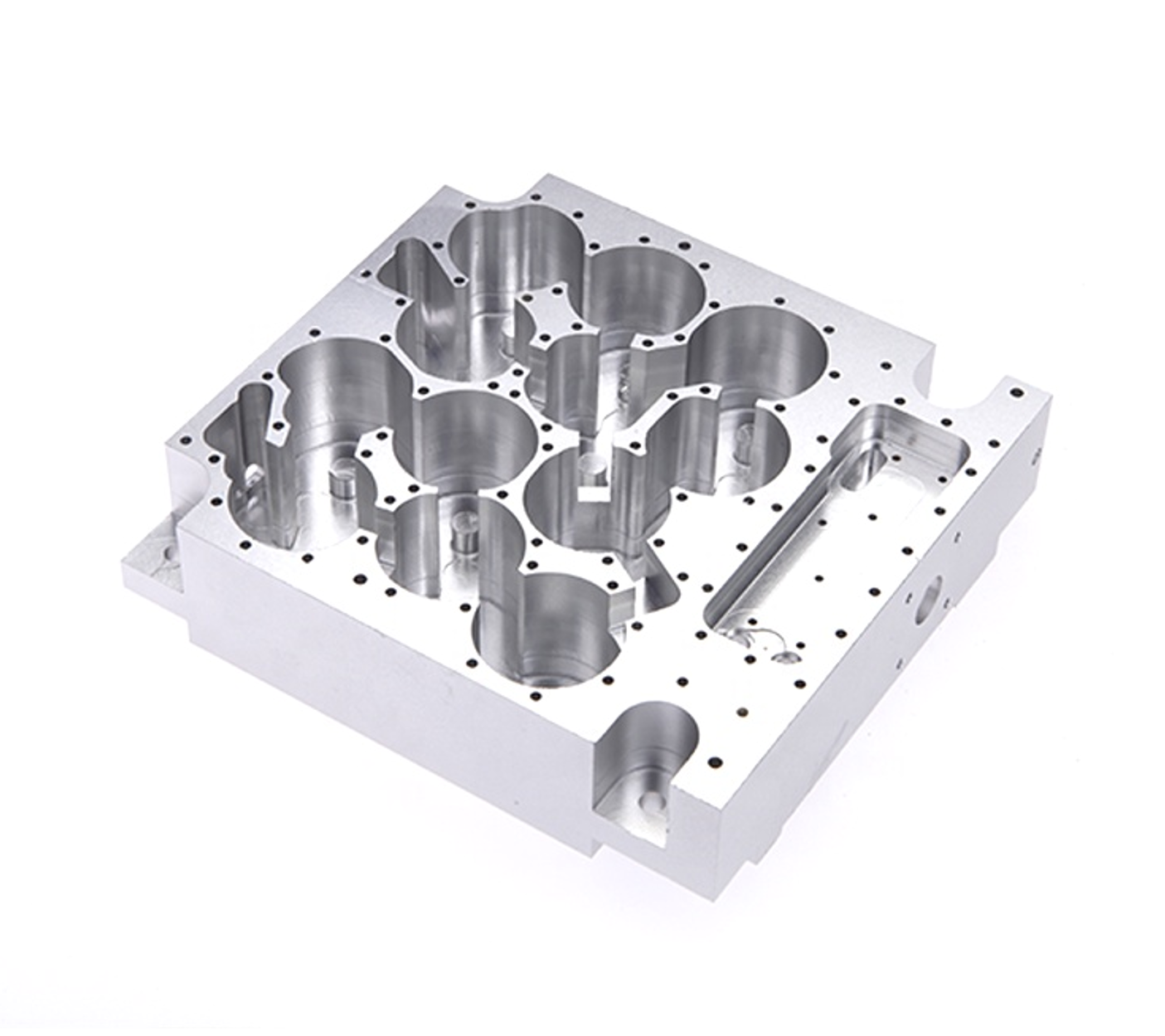
Cavity filters achieve a high Q-factor primarily due to their metallic resonant cavity structure, which is highly effective at storing electromagnetic energy. Within the cavity, a stable standing wave field is established, allowing energy to reflect and circulate multiple times. This process significantly reduces radiation loss and enhances the energy storage capability—forming the fundamental basis for attaining a high Q-factor.
Moreover, cavity filters are typically fabricated using high-conductivity metals such as silver or copper, and are often subjected to surface treatments like silver plating to minimize conductor losses. Lower conductor loss leads to reduced energy attenuation during signal propagation within the cavity, thereby enabling the filter to achieve higher selectivity and lower insertion loss across its operating frequency band.
In addition, cavity filters are characterized by their relatively large physical dimensions, robust mechanical structure, uniform electric field distribution, and low dielectric loss. This combination of low-loss and high-stability construction allows them to maintain a superior quality factor even in high-power and high-frequency applications. As a result, cavity filters are widely adopted in communication base stations and other RF systems where performance and reliability are critical.
About Concept Microwave
Founded in 2012, Chengdu Concept Microwave Technology Co., Ltd. is a specialized manufacturer of passive and RF microwave components, including filters, power dividers, couplers, duplexers, and isolators. With a strong focus on specialization and customization, the company offers flexible OEM/ODM services across frequencies from DC to 50GHz, supporting applications from 3G to 6G. All products are ISO9001 and ISO14001 certified and comply with RoHS and Reach standards.
For custom filter solutions or inquiries, please contact:
Email: sales@concept-mw.com
Phone: +86-28-61360560
Post time: Apr-25-2026